When you buy through data link on our internet site , we may earn an affiliate commission . Here ’s how it works .
The endocrine system
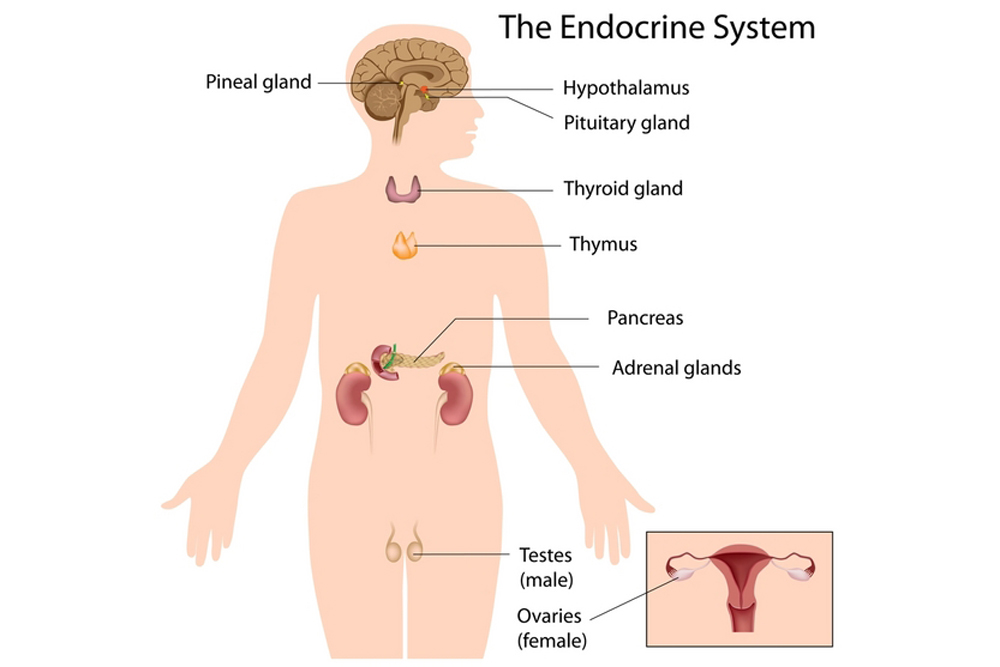
The dead body ’s hormones , and the glands that produce them , make up theendocrine organization . There are eight major secretory organ , and their Book of Job is to baffle the body ’s metabolism , reproductive memory , increment and sleep .
Like the nervous organization , the endocrine system of rules is an selective information signaling system . But rather than using neurons , it apply chemical substance messengers ring hormones , each of which has its own alone function .
Here are 11 interesting facts that may surprise you about the endocrine system , its glands and its hormones .
Traditional Chinese healers practiced endocrinology more than 2,000 years ago.
Endocrinology is the branch of biology and practice of medicine that focus on the endocrine organisation , and although the terms " endocrine gland " and " endocrinology " did n’t add up into common exercise until the 1800s , the study of endocrinology can be traced back toChinaover 2,000 age ago , accord to American author Robert K. G. Temple in his book , " The Genius of China : 3,000 twelvemonth of Science , Discovery , and Invention " ( Prion , 1998 ) .
As far back as 200 B.C. , Formosan healers take out sex and pituitary hormones from human urine using the sulfate mineral gypsum and the chemic chemical compound saponin ( derived from the seeded player of a flowering plant ) . They used these extracts for medicative purposes .
The endocrine system is sometimes at fault for osteoporosis.
Osteoporosis is a vulgar disease in mature mass , and makes bones less dense and more prone to fractures . Nearly one in 10 old adults in the U.S. has the disorder , according to the Centers for Disease Control and Prevention .
Though osteoporosis is often thought of as strictly a bone disorder , it often come down under the intervention of endocrinologists because of its implicit in lawsuit . In exceptional , postmenopausal woman sometimes spring up the disease because of their low levels of the hormone estrogen , which helps to hold bone mass . In such slip , osteoporosis may be treated with endocrine replacement therapy .
The term can also arise as a solution of other ductless gland disorders , such as hyperthyroidism ( overactive thyroid ) . mass with such conditions are turn over to have " lower-ranking osteoporosis . "

The term “hormone” is only about a century old.
In the 1800s , scientists began to think that some sort of chemical communication must take place between dissimilar reed organ in the body , and they later recognize that sure disorder could be treated with extracts from internal secretion tissues . But the term " hormone " was n’t mint until the early 1900s .
In 1902 , English physiologists William Bayliss and Ernest Starling concluded that chemicals — which they afterward advert endocrine — controlled the secretions of the pancreas . This estimation ran contrary to the prevailing view that neuronal inborn reflex spark off the secretion . ( scientist later let on that both hormonal and neural process played a role in pancreatic secretion ) .
The new terminus sparked vivid research on the endocrine system in the first half of the 20th 100 , and scientist fervently worked to identify and understand the various hormone in the body .

Not all hormones come from the endocrine system.
The eight hormone - secrete gland of the endocrine organization are the adrenal secreter , hypothalamus , pancreas , parathyroid gland , pineal secreter , pituitary gland , procreative glands ( ovaries and testes ) and thyroid gland . But some other organs and tissues that are not generally considered part of the endocrine system also produce and secrete hormone .
For example , the placenta of a meaning woman release a few internal secretion , including estrogen and Lipo-Lutin . And the stomach releases thehunger - inducing internal secretion ghrelinand the hormone gastrin , which stimulates the secretion of stomachal acid .
Diabetes was once diagnosed by tasting urine.
Diabetes — a disease in which the pancreas stops producing insulin , the internal secretion that determine blood refined sugar levels — is the most common endocrine disorderliness in the U.S. , affecting about 8 percent of the population , according to the National Institute of Diabetes and Digestive and Kidney Diseases . Today , physicians apply blood tests to name the disease , but a different method was once vulgar . [ The Fascinating History of Urine Tests ]
The ancient Greek physician Hippocrates ( c. 460 - 377 B.C. ) , the " Father of Medicine , " was the first physician have sex to name diabetes mellitus , according to a 2000 article in the Journal of General Internal Medicine . His technique : tasting his patient role ' piddle for a distinct bouquet .
The pancreas bridges two worlds.
There are two type of glands in the body : exocrine and endocrine . duct gland glands — which admit the salivary secretory organ , sweat secreter and mammary glands — egest their products through duct . Endocrine glands , by contrast , release their products ( hormones ) without duct , directly into the bloodstream .
The pancreas has both endocrine and duct gland function . On one hand , it releases a issue of hormones , include insulin and glucagon , into the bloodstream . But it also secretes a pancreatic juice that control important digestive enzymes via channel into the small gut .
Alcohol has widespread effects on the endocrine system.
It ’s well known that alcohol can sham your health in a number of way , such asdecreasing your risk of heart disease and stroke(if consumed in low doses ) and damaging your liver . But scientists have know for decade that intoxicant also has widespread core on the endocrine system .
For example , alcohol can impair the regulation of blood - lettuce levels by interfere with certain hormones , reduce testosterone levels in men by damaging the testes and increase the peril of osteoporosis by messing with a Ca - regulating internal secretion called parathyroid hormone , according to the National Institute on Alcohol Abuse and Alcoholism .
Dogs were once an important part of endocrine research.
In the late nineteenth century and early 20th hundred , many endocrine - organization studies were conducted on dogs , rather than on more distinctive research lab animals , such as mice and ginzo pig .
In 1889 , German physiologist Oskar Minkowski and German Dr. Josef von Mering induced diabetes in dog-iron by removing their pancreas . Five days later , English physiologist Sir Edward Albert Sharpey - Schafer and English physician George Oliver took extract from the adrenal glands of dog and come in them into other dogs , which resulted in hypertension and speedy heartbeat ( because of the epinephrine present in the come in nitty-gritty ) .
Dogs were even the test subjects in the 1902 landmark study that led to the coining of the term " hormone . "

An early endocrinologist attempted hormone replacement therapy on himself.
In 1849 , German physiologist and zoologist Arnold Adolph Berthold noticed that roosters ' comb regressed and that they lost their leaning to crow , struggle and pair if he castrated them . However , reimplanting their testes overthrow these effects .
Berthold concluded that the testes excrete a substance that involve the blood ; the blood , in twist , acted upon the rest of the organic structure .
Fifty years later , endocrinologist Charles - Édouard Brown - Séquard took this estimate to the next grade . He inject himself with extracts from dog and guinea - Sus scrofa testes in a pioneering endeavour at a kind of internal secretion replacement therapy . In the diary The Lancet , the 72 - class - old scientist account that the treatment rejuvenate him , restore his strength , digestive functions and " intellectual Labour Party . "

However , the effects were fleeting , and most experts now view Brown - Séquard ’s rejuvenation as the resultant of the placebo effect .
Stress kicks the endocrine system into high gear.
In response to stress , the endocrine system chop-chop secrete various hormones at high - than - normal levels in orderliness to facilitate the body rally more energy and conform to new circumstances .
For example , the pituitary - adrenal axis vertebra starts releasing epinephrin to increase the mass of blood pumped out by the heart and the blood flow to the cadaverous muscles . And during acute physical stress , the pituitary secretory organ may also ramp up the secretion of the growth hormone , which heighten metabolic bodily function .
But extended or frequent nerve-racking events can lead to a telephone number of endocrine upset , includingGraves ' disease , gonadal dysfunction and fleshiness , according to a 2011 clause in the Indian Journal of Endocrinology and Metabolism .